Late on Sept. 27, 2015, in the U.S. and much of the world, a total
lunar eclipse will mask the moon’s larger-than-life face for more than
an hour.
"Because the orbit of the moon is not a perfect circle, the moon is
sometimes closer to the Earth than at other times during its orbit,"
said Noah Petro, deputy project scientist for the Lunar. A lunar eclipse typically puts on an even greater show. For more than
an hour, Earth’s shadow swallows up the moon as the planet comes
between the sun and the moon. Lunar eclipses typically occur at least
twice a year, and 228 will occur in the 21st century alone. While people
such as the Incans and Mesopotamians historically viewed lunar eclipses
as random and frightening occurrences, they’re actually quite
predictable.
Scientists at Goddard have predicted eclipses a thousand years into
the future. Petro said it’s just a matter of knowing where Earth, the
sun and the moon are at a given point in time.
See more at:
http://www.nasa.gov/feature/goddard/nasa-scientist-sheds-light-on-rare-sept-27-supermoon-eclipse


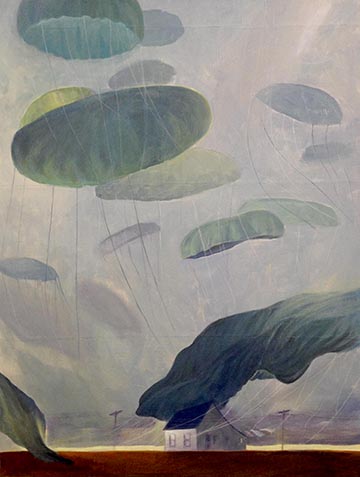


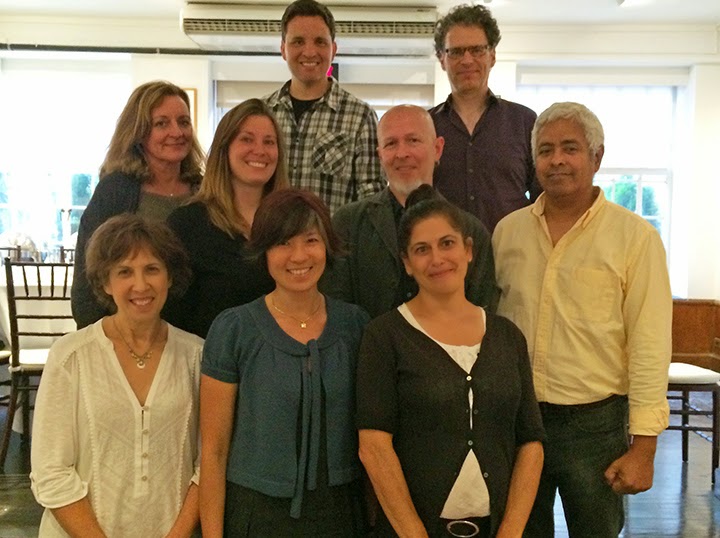


 Hot off the press, "The NeoIntegrity Omnibus," is the 712-page catalog documenting the 2010 exhibition at The
Museum of Comic and Cartoon Art:
"NeoIntegrity: Comics Edition," curated by Keith Mayerson.
Hot off the press, "The NeoIntegrity Omnibus," is the 712-page catalog documenting the 2010 exhibition at The
Museum of Comic and Cartoon Art:
"NeoIntegrity: Comics Edition," curated by Keith Mayerson. 


